


New partnership with the City of Québec
Genius Solutions is proud to announce our new partnership with the City of Québec’s Vision Entrepreneuriale Québec 2023 program. This new partnership will help us increase our market share and continue to expand our operations into the United States.

What Return Can You Expect From an ERP Investment?
An ERP system is one of the biggest investments that a manufacturer will ever make — but it will pay off in the long run. Though difficult to calculate, the ROI of an ERP system is immense, and manufacturers will see a significant reduction in costs after implementing an ERP.

How Can an ERP Help You Know and Control Your True Job Cost
Knowing your true job costs is one of the most difficult things for a custom shop to figure out. Factoring in all of the resources used — and the complicated nature of custom manufacturing — makes it difficult for shops to figure exactly how much a job costs them.

How ERPs Help Manufacturers With Their Supply Chain Management
Supply chain management (SCM) is the management of materials, involving the procurement, movement and storage of raw parts and materials, as well as the movement of work-in-process inventory and finished goods from point of origin to point of consumption.
Genius ERP Is Excited to Announce our New Partnership with GenAlpha Technologies
Genius ERP is very excited to announce our new partnership with GenAlpha Technologies, which will now allow us to offer our customers new and exciting eCommerce solutions.

How to Use What If Scheduling in Your Shop
Rescheduling is a major problem that manufacturers, especially custom manufacturers, are constantly dealing with. Rescheduling is the process of updating an existing production schedule in response to disruptions or other changes.
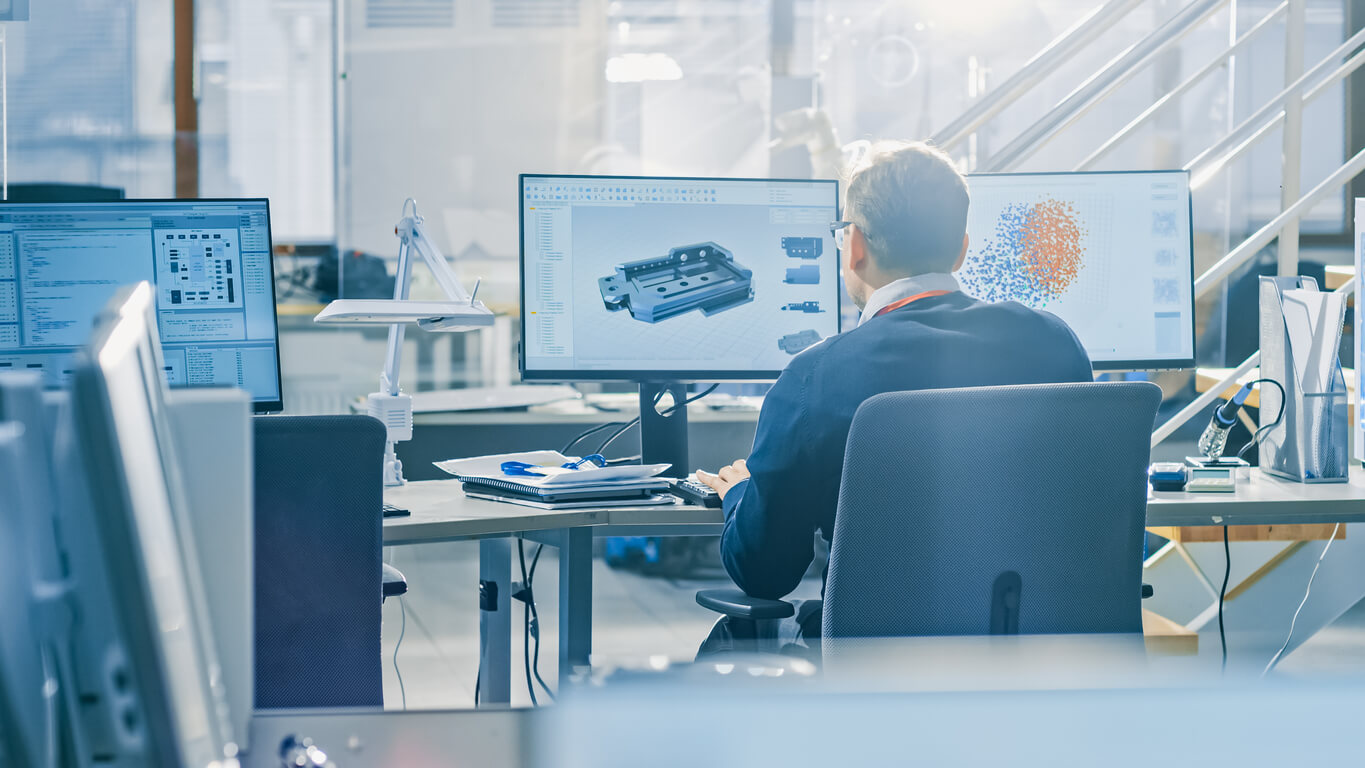
How Long Does it Take to Implement an ERP?
ERP implementation planning isn’t always easy. But if you work hard, and have the right people around to help you, you can get a new ERP system up and running in your shop in a few months — even if you think you are too busy to do it.
The Top 5 Benefits of a CRM for Manufacturing Companies
CRMs are a great tool to help you manage customer relationships — including managing customer information, leads and opportunities, and deals, quotes and order status — to create better customer experiences

How to Deal With Uncertainty in Business
Uncertainty abounds, and knowing what the future will bring, and when the current COVID-19 crisis will subside, is still up in the air. The harsh reality is that uncertainty is always present, and takes various forms, whether it is the current Coronavirus crisis, trade tensions, environmental concerns, or political unrest.

Why Online Training is Better Than On-Site Training
E-learning allows manufacturers to access high quality learning and educational resources at lower costs — with the added benefits of being more flexible and having higher retention and completion rates. Now, more than ever before online learning is the way forward for manufacturer

Will Excel Ever be Replaced?
Excel is a good business tool that can do a lot of different jobs and support a lot of different functions, but it’s not equipped to manage the intricacies of a custom manufacturing business. You need to replace it now.

What is a Manufacturing Buffer?
Manufacturers will keep the raw materials and supplies needed for production, and sometimes inventories of finished products waiting for shipment, on hand to help stabilize any fluctuations they experience with their supply and demand chains, production capacities, and lead times

Why Small Businesses Need an ERP System
By adopting an ERP system, small businesses can achieve real-time visibility, reduce operational costs, and increase efficiency, positioning themselves for sustainable growth and success.
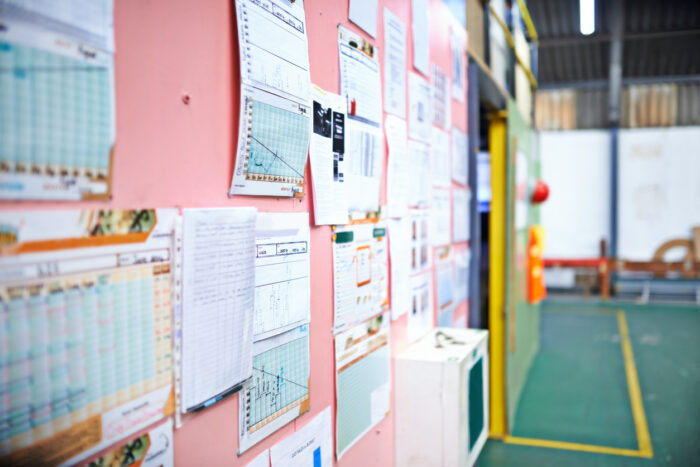
Solve Production Bottlenecks using Drum-Buffer-Rope
As we prepare to say good-bye to 2019 and usher in a new year (and new decade), it’s time to take a look at future trends that will influence the manufacturing world in 2020 and beyond.

How to Make a Bill of Materials (BOM) the Right Way
A bill of materials is the comprehensive list of all required parts, items, raw materials, and assemblies that you need to manufacture a finished product. A BOM is one of the most important documents for a custom manufacturer—think of it as a recipe for your supply chain.
Simplify Taxes with Genius ERP: Genius Solutions Partners with Avalara to Automate Tax Compliance
Genius Solutions is excited to announce our new partnership with Avalara. Avalara is an automated tax service, that will provide best-in-class tax and compliance solutions to our customers that operate or sell products in the United States.
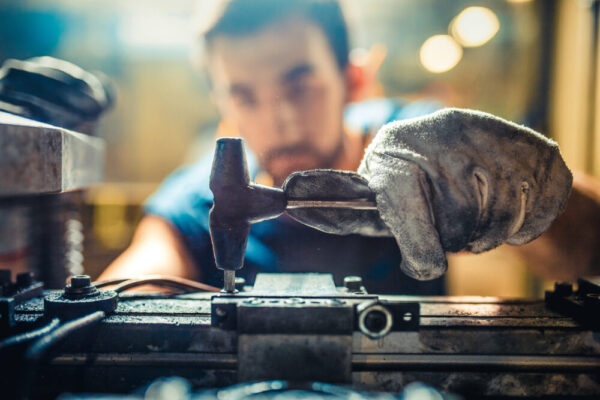
Learn How to Create a Schedule that Actually Works for Your Custom Shop
Scheduling is one of the toughest things for a custom manufacturer to get right. So many variables, and building a product that has never been built before, can make it hard for traditional scheduling systems to keep up with the needs of custom manufacturers.

5 Common Business Mistakes you Make that are Solved by ERPs
We all make mistakes, but repeatedly making the same mistakes over and over again with your business can cost you time and money, and can stop clients from knocking at your door.

Top 5 Signs Your Business Needs an ERP ASAP
As a custom manufacturer you should know that ERPs are essential in today’s complicated manufacturing environment, because ERPs help you to manage and improve every aspect of your business. Learn more here!

Why Business Intelligence and Analytics feature is a must for SME Manufacturing ERPs
Strong business analytics in the manufacturing industry is both integral and accessible with the right ERP. In a bygone era, successful business intelligence implementation meant having to gather data manually from numerous sources, and work it up in spreadsheets.

How ERP Systems Can be a Source of Competitive Advantage
Do you want to gain a competitive advantage over other manufacturers in your sector? If you are a custom manufacturer, to do so, you need to get an ERP system.

Get your eBook Scared to implement a new ERP?
"*" indicates required fields

A manufacturing ERP that works as hard
as you do.
Give us a call to see how we’re different.


