Learn what the right ERP can do—and how to find one that fits your shop.
Table of Contents:
01 | Manufacturers Need a Manufacturing ERP
02 | How to Choose the Right Manufacturing ERP
03 | Top ERP Features for Manufacturers
04 | How to Implement an ERP the Right Way
05 | Tips to Get the Most Value from Your ERP
01 | Manufacturers Need a Manufacturing ERP
Not all ERPs are built for manufacturing. If you’re a manufacturer, you need one that is.
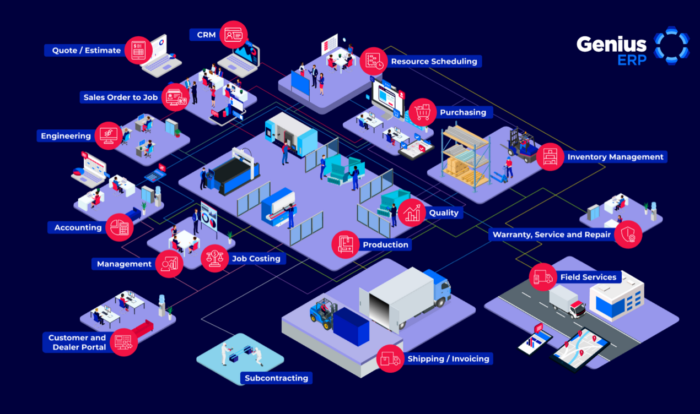
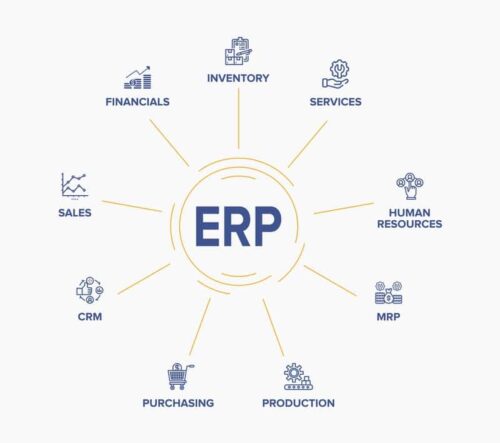
Unlike generic business software, a manufacturing ERP connects and manages everything — from quoting and production to inventory, purchasing, and finance — giving you full visibility and control over your operation.
Without an ERP, manufacturers often rely on disconnected tools — like spreadsheets or standalone systems — to run different departments. That slows down processes, creates errors, and makes it harder to stay efficient.
In today’s fast-moving and increasingly complex industry, manufacturers need more than a basic system. Whether you build standard products, custom jobs, or something in between, a manufacturing ERP helps you stay competitive by keeping your entire operation running smoothly — from quote to cash.
Modern manufacturing ERPs come equipped with powerful tools designed for your environment, including production management, supply chain, accounting, business intelligence, engineering, CRM, and more.
The bottom line? If you’re a manufacturer, you need an ERP that’s built for manufacturing — not just any business.
5 Ways ERP Makes Your Business Run Better
1. Everything Connected
ERPs link every department in your organization, including finance, purchasing, engineering, and operations, by connecting both the systems and the people who use them.
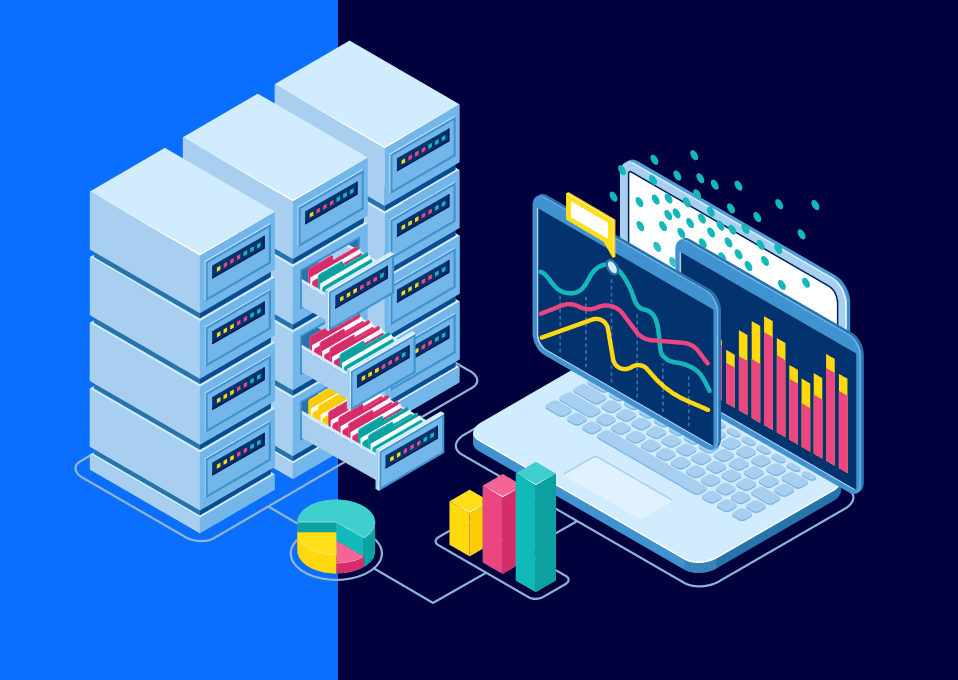
ERP systems allow all users — from the CEO to shop-floor employees — to create, store, and use the same data. In this way, ERPs eliminate data duplication (which saves both time and money and reduces errors) and also give you data integrity as they are a single and common source of truth for your organization.
Simply put, an ERP is the best solution for integrating people, processes, and technologies across a business — the advantages of which are almost endless.
Work Better Together
When your entire team works in the same system, it’s easier to share information and stay aligned.
From engineering to production to shipping, ERP software helps departments work together without delays or miscommunication.
2. Real-Time Visibility
Real-time data has revolutionized the manufacturing industry by changing how shops are managed and goods are manufactured.
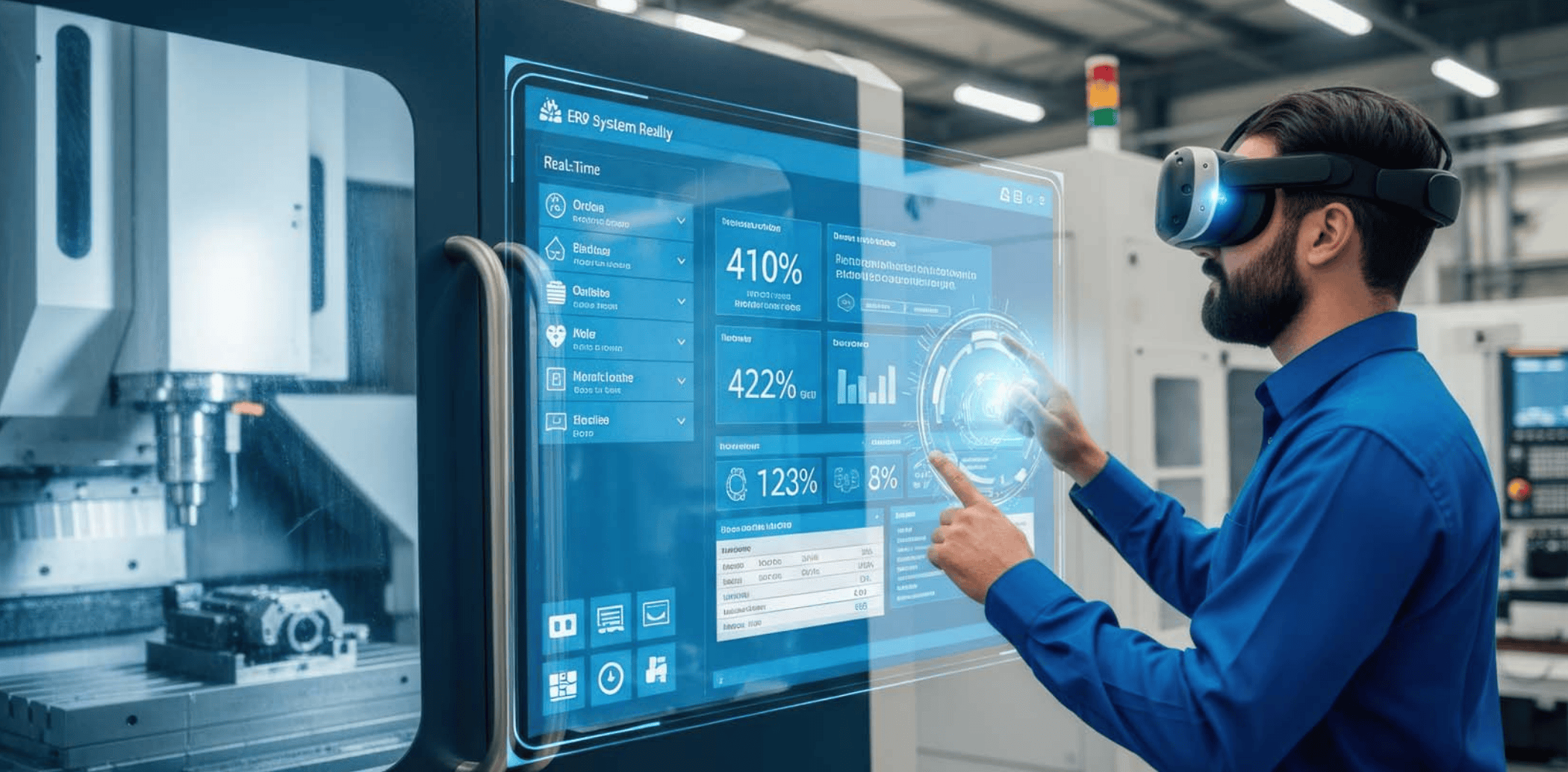
Real-time data is just that; it lets you see your data and how your system is running in real time. With it, you can continually track, control, and fine-tune your shop for maximum efficiency.
Real-time data lets you oversee your shop floor schedule, production processes, and work centers, as well as consistently improve product quality and monitor your equipment to create a higher-performing manufacturing plant. By relying on an ERP’s real-time data, manufacturers are gaining quicker and better insights into their shop floor operations and can determine what is impacting their shop’s performance the most.
3. Lower Costs
ERPs reduce operational and administrative costs because they help you better manage every aspect of your shop.
From labor costs to supply chain management to your engineering department — an ERP will make you more efficient and less wasteful, lowering operational costs.
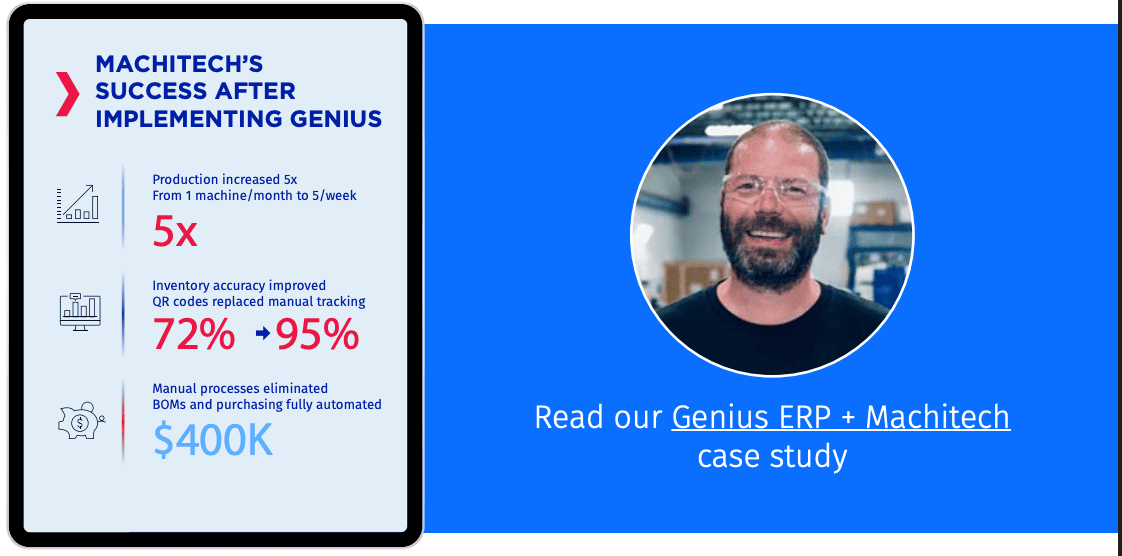
Want to see a real-life example of how an ERP can reduce costs?
Read our Genius ERP + Machitech case study to see how they cut costs by automating processes and reducing errors — and scaled production 5x with support from Genius ERP.
You will also lower your administrative costs, in part because you are more efficient, but also because you only have the costs associated with one software system — including maintenance — to pay.
A recent study by the Aberdeen Group found that an ERP solution could reduce operational costs by 23%, reduce administration costs by 22%, and increase on-time deliveries by 24%.
4. A More Efficient Shop
ERPs help you increase your shop’s efficiency because they streamline your business processes.
For example, with an ERP system, you can automatically keep track of the inventory you use on each job, which in turn will let you do proper procurement and production planning as you know exactly the amount of raw materials you have on-hand — and what you need to order.
ERPs eliminate production bottlenecks, improve shop-floor scheduling, and help you decrease lead times to boost throughput and maximize efficiency. They streamline your tasks and business processes so that you can do things faster, better, and with more consistency.
5. Smarter Decisions with Better Data
The right ERP will not only house all of your data in one place but will also have built-in business intelligence (BI) tools to analyze data and create powerful reports to help you become more effective and productive — and make better decisions about your manufacturing business.
A good-quality ERP system will include a full range of helpful and easy-to-understand reports. These reports will help you scrutinize your operations to see where you need to make improvements and keep track of your key performance indicators (KPIs).
Armed with the right data, you can set the right direction for your business.
02 | How to Choose the Right Manufacturing ERP
The right ERP comes down to fit.
It doesn’t matter whether you have 20 employees or 2,000 — what matters is finding the system that matches your operation, your goals, and the way you work.
Today’s ERP market is bigger than ever, with vendors that specialize in different industries, shop sizes, and manufacturing styles. That’s a good thing — because not all ERPs are created equal, and not every ERP is built for manufacturers.
The best ERP for your business will be the one designed for your type of manufacturing and built with the tools you need to improve how you run. Features matter, but so does focus — make sure the system is built for your industry and understands your specific challenges.
Our best advice is to figure out what you need from an ERP system before looking for one. Before you start comparing products, step back and get clear on what you actually need. Take time to assess your business:
- What do you do well?
- Where do you struggle?
- What’s holding you back from being more efficient or more profitable?
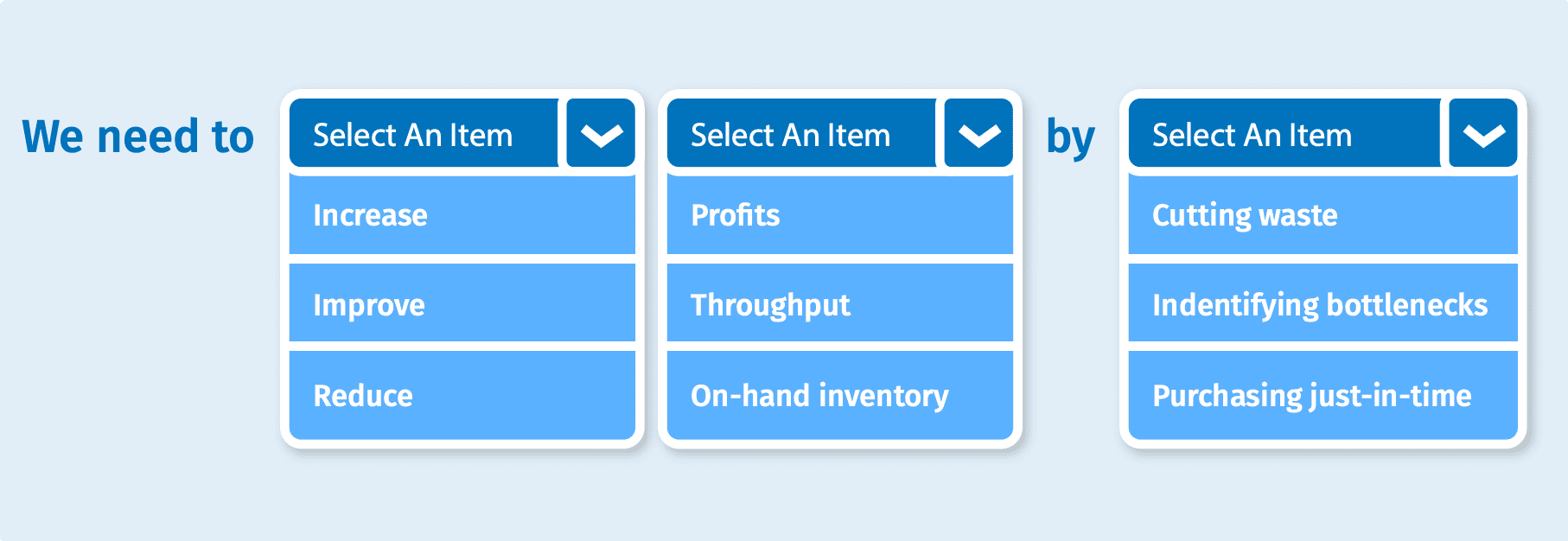
Be honest about your pain points — and how an ERP could help solve them. A good sentence to use to figure this out is: “We need to improve/increase/reduce ______ by ______.”
Maybe you need to increase profitability by cutting down on raw material costs. Or maybe you need to reduce errors by clarifying procedures.
Once you know what you’re trying to fix or improve, it’s much easier to cut through sales pitches and focus on systems that are truly built to support your goals.
It takes time and effort to get this step right — but when you do, you’ll be in a much better position to choose an ERP that actually fits your business and delivers results.
03 | Top ERP Features for Manufacturers
Every manufacturer runs a little differently — which means the best ERP system is the one with features that match how you work. Whether you’re focused on improving scheduling, cutting costs, or getting better visibility across your shop, the right tools make all the difference.
Here are the core ERP features manufacturers rely on to run smarter, faster, and more efficiently.
Inventory Management
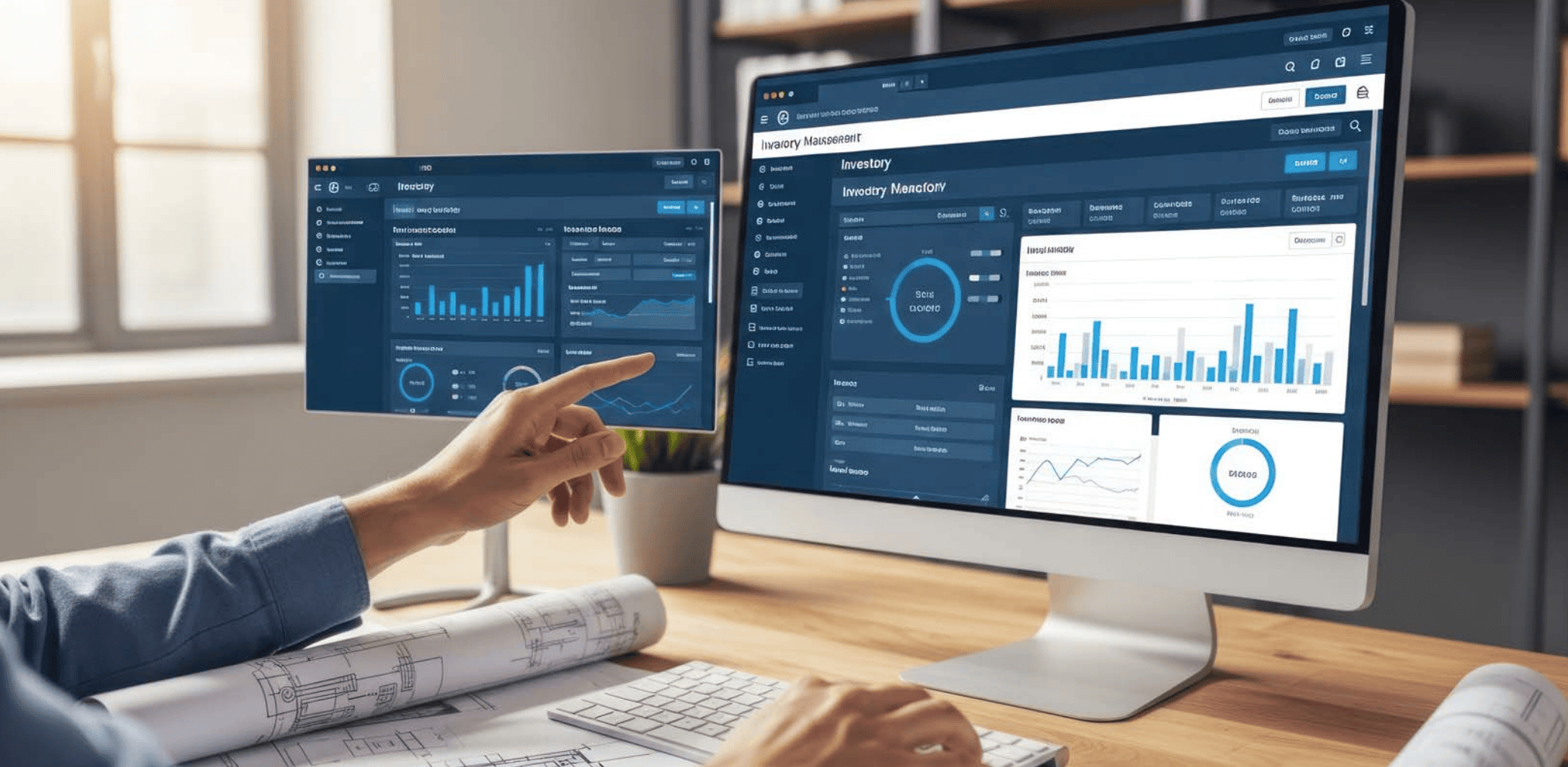
Good inventory management is critical to any manufacturer. ERP inventory tools give you real-time visibility into what you have, what you need, and what’s already allocated — helping you avoid shortages, overstock, and wasted time.
Track inventory down to the serial number, know exactly what’s in production, what’s on order, and what’s ready to ship — all from one connected system. Integrated inventory lets you control costs and keep jobs moving.
Production Scheduling
Production plans change — your schedule should keep up. A manufacturing ERP helps you create realistic, responsive schedules based on your shop’s true capacity, resource availability, and material flow.
Adjust quickly when priorities shift, and keep teams aligned from the office to the floor. Smarter scheduling means fewer delays, better throughput, and more jobs delivered on time — even in the face of last-minute changes or disruptions.
AI
Artificial intelligence is here, and it’s transforming the way manufacturers operate.
AI-powered ERP systems automate repetitive tasks, streamline workflows, and reduce errors across the shop floor. From document handling to production planning, AI tools help manufacturers move faster, make smarter decisions, and stay focused on what matters most: efficiency, accuracy, and keeping jobs on schedule.
Project Management
Complex manufacturing jobs need more than just a whiteboard. ERP project management tools give you full visibility over every job — from kickoff to delivery — so you always know where things stand.
Track timelines, budgets, milestones, and job status in real time. With built-in tools for task tracking, cost control, and revenue recognition, you’ll spot issues early and keep every project moving forward — on time and on budget.
Supply Chain Management
Manage all your interactions with vendors and suppliers — including quote requests, purchase orders, receiving, and invoicing — in a single system that syncs with your projects and your inventory. Quickly evaluate vendors on factors like on-time delivery, quality, and cost — guaranteeing that you always choose the right supplier for every job.
With better insight into material availability, vendor performance, and cost tracking, you’ll reduce stockouts, improve delivery timelines, and ensure smoother purchasing and planning.
Business Intelligence and Analytics
Integrated business intelligence tools help you make smarter decisions, faster. ERP analytics give you real-time visibility into every area of your operation — from production and inventory to finance and job performance.
Easily generate reports, track KPIs, and turn raw data into clear insights. Set goals, measure progress, and improve how your shop runs — one job at a time. With accurate, up-to-date reporting, you’ll stay focused on what matters most: productivity, profitability, and growth.
Product Engineering
Disconnected engineering slows everything down. With a manufacturing ERP, your engineers can create accurate BOMs, reuse proven designs, and share data instantly with procurement and production.
Integrated engineering tools reduce bottlenecks and eliminate costly miscommunications, helping you get from design to build faster — with fewer mistakes, clearer specs, and better collaboration across departments.

KPIs
In 2026, manufacturers can’t afford to guess. Tracking key performance indicators (KPIs) gives you real-time insight into how your shop is running — and where to improve. From throughput to downtime, the right metrics help you spot issues early, cut waste, and boost efficiency. When you measure what matters, you can make smarter decisions — and run a stronger business.
Finance and Accounting
A manufacturing ERP puts your financials right where they belong — in the center of your business. With all your data connected, you can track job costs, manage cash flow, and close the books faster.
No more reconciling multiple systems or chasing down numbers. Integrated accounting gives you real-time visibility into how your shop is performing — and where your money is going.
BONUS: Customer Relationship Management
Modern manufacturers need to stay competitive on more than just the shop floor. Integrated CRM tools connect your sales team to the rest of your operation.
From managing leads and quotes to automating emails and accessing customer history, CRM features help your team respond faster, quote more accurately, and close more deals — all while staying aligned with production and pricing.
04 | How to Implement an ERP the Right Way
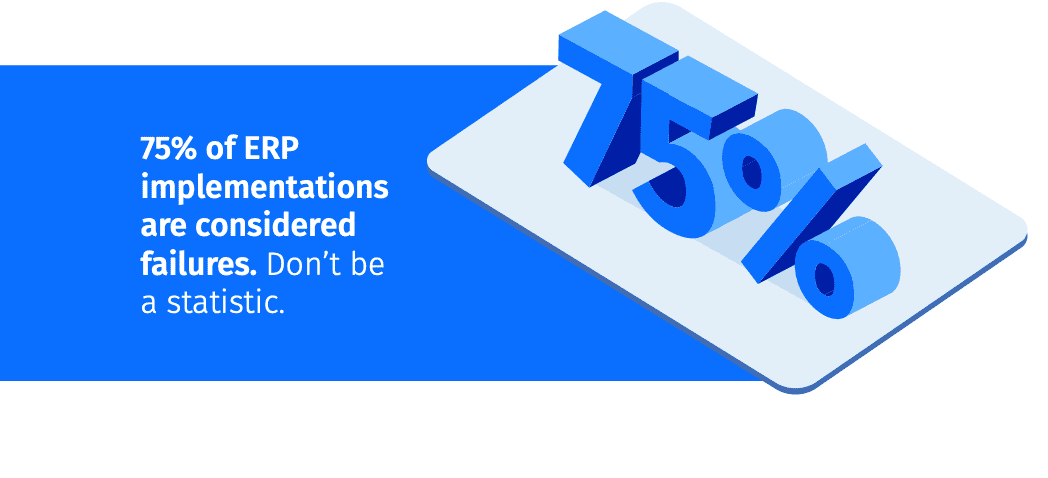
The hard truth is most ERP implementations and installations are considered failures.
75% of ERP implementations are considered failures. Don’t be a statistic.
Implementing an ERP is difficult and disruptive — and it should be. Implementing an ERP is one of the biggest, most wide-sweeping changes you can make as an organization. With it will come challenges and roadblocks, but change is also your path to growth.
Expect disruption. Plan for it. Putting the right systems and support in place will help you manage the chaos and stay focused on your end goal. Manufacturers who commit to the process and do the hard work upfront are the ones who see the biggest payoffs once their ERP system is live.
Follow these key steps to set your ERP implementation up for success:
-
- Plan, plan, then plan some more. Implementing an ERP is a massive project. Take the time to create a detailed plan before you start.
- Communication is key. Get everyone on your team on board by communicating your vision for the new system early and often. Explain why you are undertaking the project and what the new system will mean for your organization.
- Pick a champion to guide your project. Choose wisely — you need someone with both the right technical skills plus great communication and interpersonal skills to steer your team through implementation.
- A phased approach is best. A short implementation timeline is key. Use a phased approach — implementing the features you need most first — to keep the timeline manageable.
- Train, train, then train some more. Build plenty of time for training and problem-solving into your implementation timeline, giving your staff time to use the new system and work out kinks before you are running live.
- Celebrate successes. Take time to acknowledge your team’s hard work and celebrate the milestones you have achieved. Keeping your team’s morale high will help you push through the tough spots and achieve your ultimate goal: A successful ERP implementation.
Manufacturers that successfully implement an ERP system reap the results, with more streamlined and efficient shops and increased throughput. Set yourself up for success by implementing an ERP the right way.
05 | Tips to Get the Most Value from Your ERP
Many manufacturers assume that once their ERP system is implemented, the learning phase is over. But that’s a mistake.
To get the full value from your ERP, learning needs to continue long after go-live. Ongoing training helps your team build proficiency, onboard new hires faster, and uncover features you might not have used yet. The more confident your team is with the system, the more efficient your operation becomes.
Your ERP touches every part of your business — it should be treated as a long-term strategic tool, not just a one-time project. A strong partnership with your ERP provider makes a big difference, especially if they offer ongoing education and support. As your business evolves and new challenges emerge, you’ll need to adapt your ERP usage to keep up.
Rising costs, tariffs and trade issues, and ongoing supply chain challenges are forcing manufacturers to change how they do business. From quoting and purchasing to production planning and inventory control, strategies that worked a few years ago may no longer apply. Your ERP can help — but only if you know how to use it effectively. Ongoing education and support from your ERP partner will help you adapt quickly, make smarter decisions, and stay competitive through whatever comes next.
Genius Academy
Ongoing education is key to long-term success. Choose an ERP provider that offers a built-in training system with easy, on-demand access. A strong e-learning platform lets your team build skills at their own pace, stay current as your system evolves, and onboard new employees faster — helping you tackle new challenges and grow your business with confidence.
For over 35 years, Genius ERP has been helping manufacturers across North America streamline operations and drive growth. We understand that manufacturing isn’t just another department—it’s your entire business. That’s why our ERP is purpose-built to handle the complexities of production, scheduling, inventory, and shop floor operations.
Backed by industry experts, we provide the tools and support manufacturers need to streamline operations, reduce waste, and deliver on time.
Learn more at: www.geniuserp.com
The Complete ERP Guide for Manufacturers
Fill in the form below to get the guide delivered straight to your inbox.
"*" indicates required fields