


What is Industry 4.0?
Industry 4.0 is the combination of innovations in digital technologies that are changing the face of the manufacturing industry.
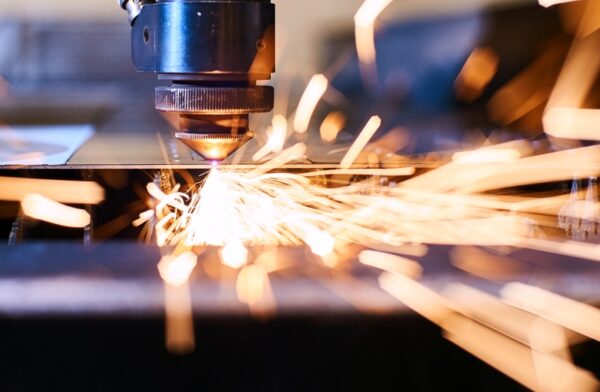
Industry-specific ERPs vs. Generic ERPs
In today’s marketplace, many different types of ERP systems are available. While this increases consumer choice, it can make it difficult to understand and know which kind of system is best for your business.
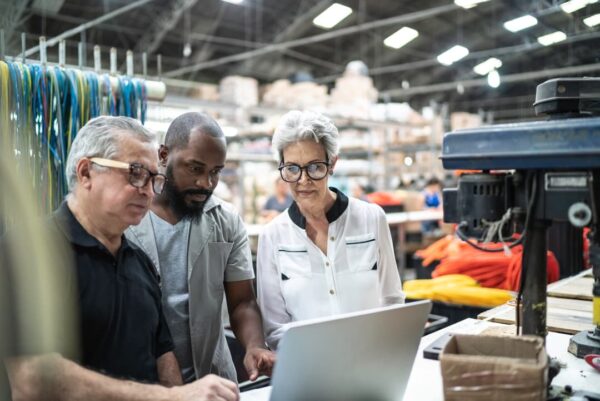
The Do’s and Don’ts of ERP Implementation From an ERP Expert
Want to learn the true secret to a successful ERP implementation? We asked one of our top ERP implementation experts to answer all of your burning questions.

New partnership with L’école des Métiers en Aéronautique de Montréal
L’école des Métiers en Aéronautique de Montréal (ÉMAM) has chosen Genius ERP's Academic Program to help train the next generation of specialized workers on the tools they will use in a working manufacturing environment.

Best Way to Select an ERP System in 2026
With hundreds, if not thousands, of different types of ERP systems on the market, it’s hard to know which system is right for your business. Different tiers, target markets, and feature sets can make the selection process overwhelming—and make it difficult to know where to start.
Back to Basics: ERP for Purchasers
An ERP makes purchasing easier for manufacturers by automating everyday purchasing tasks and providing accurate real-time data to ensure that you always have the right amount of stock on hand.
Back to Basics: ERP for Engineers
Engineers need an ERP system that has their unique needs in mind, including creating and managing Bills of Materials (BOMs), routing steps, and work instructions. Engineers also need an ERP that allows for the seamless integration of a CAD system with the ERP.

Back to Basics: ERP for Accountants
Accountants will benefit from an ERP by using integrated data to streamline all of their accounting processes.

Back To Basics: Benefits of an ERP System
ERPs are indispensable to manufacturing companies. They are the industry gold standard for a reason — nothing streamlines business processes, provides accurate real-time data, and reduces costs better than an ERP system.on.

What do the Best Manufacturing Companies have in Common?
We all want to be the best at what we do, right? But as a manufacturer, what do you actually need to do to become the best?

Back To Basics: Elements of an ERP System
You already know that ERPs enhance visibility, improve your business practices, and increase your shop’s efficiency. But how do ERPs actually do all of these things?

Should you Create a CRM Database in Excel
Though you can easily use Excel to create a database of your customers, Excel lacks several key benefits of more dedicated CRM software. A proper CRM system that is integrated and automated will allow you to better manage your leads and opportunities.
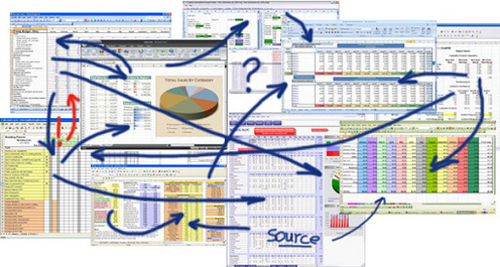
Is Excel the Best Way to Track Inventory?
While you can certainly create inventory tracking spreadsheets in Excel, it is not the best option for inventory management — especially for complex manufacturers.

What You Need to Know About Critical Chain Project Management
The goal of CCPM is to identify the steps, timelines, and resources required to complete a project — to give you a roadmap that you can follow to ensure you complete more jobs on-time and on-budget.

What Return Can You Expect From an ERP Investment?
An ERP system is one of the biggest investments that a manufacturer will ever make — but it will pay off in the long run. Though difficult to calculate, the ROI of an ERP system is immense, and manufacturers will see a significant reduction in costs after implementing an ERP.

How Can an ERP Help You Know and Control Your True Job Cost
Knowing your true job costs is one of the most difficult things for a custom shop to figure out. Factoring in all of the resources used — and the complicated nature of custom manufacturing — makes it difficult for shops to figure exactly how much a job costs them.

How ERPs Help Manufacturers With Their Supply Chain Management
Supply chain management (SCM) is the management of materials, involving the procurement, movement and storage of raw parts and materials, as well as the movement of work-in-process inventory and finished goods from point of origin to point of consumption.

Genius ERP Is Excited to Announce our New Partnership with GenAlpha Technologies
Genius ERP is very excited to announce our new partnership with GenAlpha Technologies, which will now allow us to offer our customers new and exciting eCommerce solutions.
How Long Does it Take to Implement an ERP?
ERP implementation planning isn’t always easy. But if you work hard, and have the right people around to help you, you can get a new ERP system up and running in your shop in a few months — even if you think you are too busy to do it.

Why Online Training is Better Than On-Site Training
E-learning allows manufacturers to access high quality learning and educational resources at lower costs — with the added benefits of being more flexible and having higher retention and completion rates. Now, more than ever before online learning is the way forward for manufacturer

What is a Manufacturing Buffer?
Manufacturers will keep the raw materials and supplies needed for production, and sometimes inventories of finished products waiting for shipment, on hand to help stabilize any fluctuations they experience with their supply and demand chains, production capacities, and lead times

Get your eBook Scared to implement a new ERP?
"*" indicates required fields

A manufacturing ERP that works as hard
as you do.
Give us a call to see how we’re different.

