Article

CAD and ERP Integration: Why It Matters for Manufacturers

Engineering, ERP - All industries

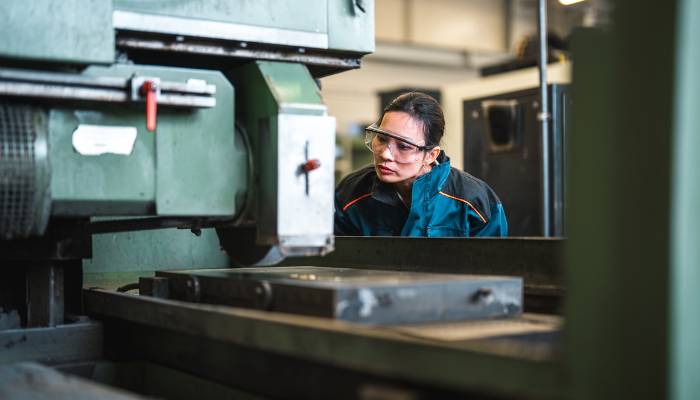
Two manufacturers are working on the shop floor

In many manufacturing businesses, engineering and production still operate in separate systems. Design work happens in CAD, while purchasing, planning, and production rely on ERP, spreadsheets, PDFs, or emailed revisions to manage the rest of the process.

That disconnect creates delays, increases manual work, and makes it harder for teams to stay aligned. When CAD data has to be manually transferred into ERP, revisions can be missed, BOMs recreated incorrectly, and production teams can end up working from outdated information.

That is why more manufacturers are focusing on CAD and ERP integration.


By connecting CAD software directly to ERP, engineering data can move through the business more accurately and with far less manual work. Bills of materials, revisions, and product information flow directly into the systems used by production, purchasing, planning, and finance, helping teams stay aligned from design through production.

For manufacturers managing engineer-to-order or highly configurable products, that connection becomes increasingly important as the business grows.

In This Article

We’ll explain how CAD and ERP integration helps manufacturers reduce manual work, improve accuracy across departments, and keep engineering, purchasing, and production aligned as products move from design to manufacture.

schema blue background texture

Get Seamless CAD Integration with Genius CAD2BOM

Why CAD and ERP Systems Often Become Disconnected

Most manufacturers do not intentionally separate engineering and production systems. It usually happens as businesses grow and different departments adopt tools for different purposes.

CAD software is used to manage product design and engineering, while ERP manages purchasing, inventory, production planning, and costing. Both systems become essential, but the data between them is often still transferred manually.

The problem is that engineering data affects far more than design. Bills of materials, revisions, materials, and assemblies all influence purchasing, scheduling, costing, and production activity on the shop floor.

In many businesses, that information is still shared through spreadsheets, PDFs, or manual ERP updates. Those processes take time, create opportunities for error, and become harder to manage as product complexity and engineering changes increase. Different departments can end up working from different versions of the same data, making revisions more difficult to track and manage.

CAD ERP integration helps reduce that friction by allowing engineering data to move directly into ERP in a more structured and consistent way. That improves visibility across departments while reducing manual work, revision confusion, and delays between design and production.

What CAD and ERP Integration Actually Does

CAD and ERP integration connects engineering data directly to the operational systems used throughout the business.

Instead of rebuilding information after a design is complete, manufacturers can transfer structured engineering data directly from CAD into ERP. That typically includes:

  • Bills of materials
  • Part numbers
  • Assemblies and subassemblies
  • Material specifications
  • Revisions and version data
  • Product attributes linked to production and costing

This allows production, purchasing, planning, and finance teams to work from the same product information used during engineering.

More importantly, it reduces the need for manual data entry and interpretation between departments. Engineers do not need to recreate BOMs in ERP, purchasing teams are less dependent on clarification from engineering, and production teams can access more accurate and consistent information before work begins on the shop floor.

CAD ERP integration is not simply about connecting software. It is to create a more reliable flow of information from design through production.

Keeping Engineering and Production Better Aligned

One of the biggest advantages of CAD and ERP integration is improved coordination between departments.

In disconnected systems, engineering decisions are often made separately from production realities. Material availability, supplier lead times, existing inventory, and manufacturing constraints may not become visible until after designs have already been released.

With integrated systems, engineering teams can work with better visibility into operational information earlier in the process.

That visibility helps manufacturers reuse existing parts more consistently, reduce unnecessary duplicate inventory, identify long-lead materials earlier, and minimise disruption caused by late-stage engineering changes.

This does not restrict engineering flexibility. It simply helps ensure that product designs remain aligned with how products will actually be sourced, planned, and built.

Reducing Delays Between Design and Production

In many manufacturing environments, engineering may technically finish a design long before production is actually ready to begin.

Before work reaches the shop floor, BOMs may still need to be rebuilt in ERP, part numbers checked, purchasing requirements reviewed, and revisions confirmed across multiple teams.

That handoff process often creates delays that are difficult to measure but easy to feel across the business.

CAD integration helps reduce that gap by transferring structured engineering data directly into ERP earlier in the process. BOMs, assemblies, revisions, and product details are already available to downstream teams, allowing purchasing, planning, and production activities to move forward sooner.

For manufacturers managing complex or highly customised products, reducing those delays can improve responsiveness and help production move more efficiently.

Managing Engineering Changes More Effectively

Engineering changes are part of manufacturing. The challenge is controlling how those changes move through the business.


Without CAD ERP integration, even small design updates can create confusion. Different departments may end up working from different revisions, and production teams may not become aware of changes until work is already underway.


Integrated systems help make those changes more visible and easier to manage.


When revisions are updated directly between CAD and ERP, purchasing, planning, and production teams gain faster access to the latest product information. Updated BOMs and revised components can move through the system in a more controlled and traceable way, reducing the likelihood of scrap, rework, or production disruption.

The goal is not to eliminate engineering changes, but to manage them with fewer manual processes and less confusion between departments.

Why CAD Integration Becomes More Important as Manufacturers Grow

Growth often exposes weaknesses in disconnected systems.

Processes that once worked reasonably well become harder to maintain as product complexity increases and more teams rely on the same engineering data. Engineering departments spend more time supporting administrative processes, while production and purchasing teams become increasingly dependent on clarification and manual verification.

At the same time, manufacturers are under growing pressure to improve lead times, maintain accuracy, and manage more customised products without adding unnecessary overhead.

CAD and ERP integration helps manufacturers scale more effectively by creating a more consistent flow of information between engineering and operations.

This allows manufacturers to support higher production volumes, reduce engineering bottlenecks, improve data accuracy, and maintain better visibility as operations become more complex.

For many manufacturers, CAD integration eventually shifts from being a useful improvement to being an operational requirement.

What Manufacturers Should Look for in a CAD ERP Integration

Not all CAD integrations work the same way.

Some systems simply attach CAD files to ERP records. While that may help with document access, it does not solve the larger problem of transferring usable engineering data into operational workflows.

A practical CAD ERP integration should support structured engineering data throughout the manufacturing process.

At a minimum, manufacturers should look for the ability to:

  • Generate bills of materials directly from CAD
  • Preserve assembly and subassembly structures
  • Manage revisions and version control
  • Transfer material and product attributes into ERP
  • Maintain consistency between engineering and production records

If engineering teams still need to rebuild or correct data manually inside ERP, the integration is only solving part of the problem.

How Genius ERP Supports CAD Integration

Genius ERP includes CAD2BOM, an engineering tool designed specifically for manufacturers working with complex or engineered products.

CAD2BOM connects CAD data directly to Genius ERP, allowing manufacturers to generate structured BOMs and transfer engineering data into ERP without manual re-entry.

Teams can:

  • Automatically generate BOMs from CAD
  • Map engineering attributes to ERP fields
  • Manage revisions more effectively
  • Maintain stronger alignment between engineering and production data

This helps reduce administrative work while improving visibility across purchasing, planning, production, and engineering.

Supporting Concurrent Engineering

In many manufacturing environments, departments cannot afford to work sequentially.

Purchasing may need visibility into material requirements before engineering is fully complete, while production planning may need access to assemblies and revisions earlier in the process.

This is where concurrent engineering becomes important.

By connecting CAD data directly to ERP, manufacturers can give purchasing, planning, and production teams earlier access to engineering information as projects progress. Teams remain better aligned throughout the process instead of waiting for data to be manually transferred between systems.

That improves coordination, reduces delays, and makes engineering changes easier to manage as products move toward production.

schema blue background texture

How To Introduce Concurrent Engineering Into Your Business

Designed for Real Manufacturing Complexity

Genius ERP’s CAD integration is built for manufacturers dealing with:

  • Custom and engineer-to-order products
  • Frequent design changes
  • Complex BOMs
  • Tight coordination between departments

Instead of forcing manufacturers to adapt to generic workflows, CAD integration in Genius ERP supports how engineering and production already work — just with fewer manual steps.

Final Thoughts

CAD and ERP integration is not simply about connecting software systems. It is about improving how engineering information moves through the business.

When CAD data flows directly into ERP, manufacturers reduce manual work, improve accuracy, and create better alignment between engineering, purchasing, planning, and production. Bills of materials, revisions, and product structures become easier to manage across departments, helping manufacturers respond more effectively as products and operations become more complex.

For manufacturers evaluating CAD ERP integration, the most important question is not how impressive the integration looks during a demo. It is whether engineering data remains accurate, usable, and connected once it leaves CAD.

When that information moves cleanly through the business, manufacturers gain better visibility, fewer manual bottlenecks, and a stronger foundation for growth.

Looking for a better way to connect engineering and production?

Genius ERP’s CAD2BOM tool helps manufacturers transfer engineering data directly from CAD into ERP, reducing manual work while improving visibility across purchasing, planning, and production.

Learn more about CAD2BOM and how it supports engineering-led manufacturing.

"*" indicates required fields

This field is for validation purposes and should be left unchanged.
close-btn

Let’s talk about your shop