AI is getting a lot of attention.
Even though manufacturers are hearing more and more about AI, that doesn’t necessarily mean they have a clear plan for how to use it or how it applies to everyday work across engineering, operations, and the shop floor. For many manufacturing businesses, the challenge is understanding where AI fits into existing processes and what it actually changes in day-to-day work.
In practice, getting started with AI doesn’t require a large-scale strategy or significant upfront investment. In most cases, it begins with smaller, familiar processes that are already part of your day-to-day operations.
Think about AI in manufacturing as a resource, not a feature
A useful way to look at modern AI is not as a feature inside a system, but as a resource.
Instead of treating AI as another tool to learn, it’s more useful to think of it as something that can take on specific types of work.
In some ways, it helps to think of it like another team member.
That may sound like a stretch, but it reflects what’s changed. AI can now follow processes, apply rules, and complete structured tasks in a way that’s similar to how a person would approach them.
The difference is speed and scale. AI can process large volumes of information almost instantly, and it doesn’t just highlight insights, it can also act on them.
That’s an important shift. For a long time, AI in manufacturing focused on reporting and analysis. Dashboards, forecasts, and recommendations were useful, but they still relied on someone to take the next step. Now, AI can begin to handle parts of that execution.
ERP and AI in manufacturing: Where they fit together
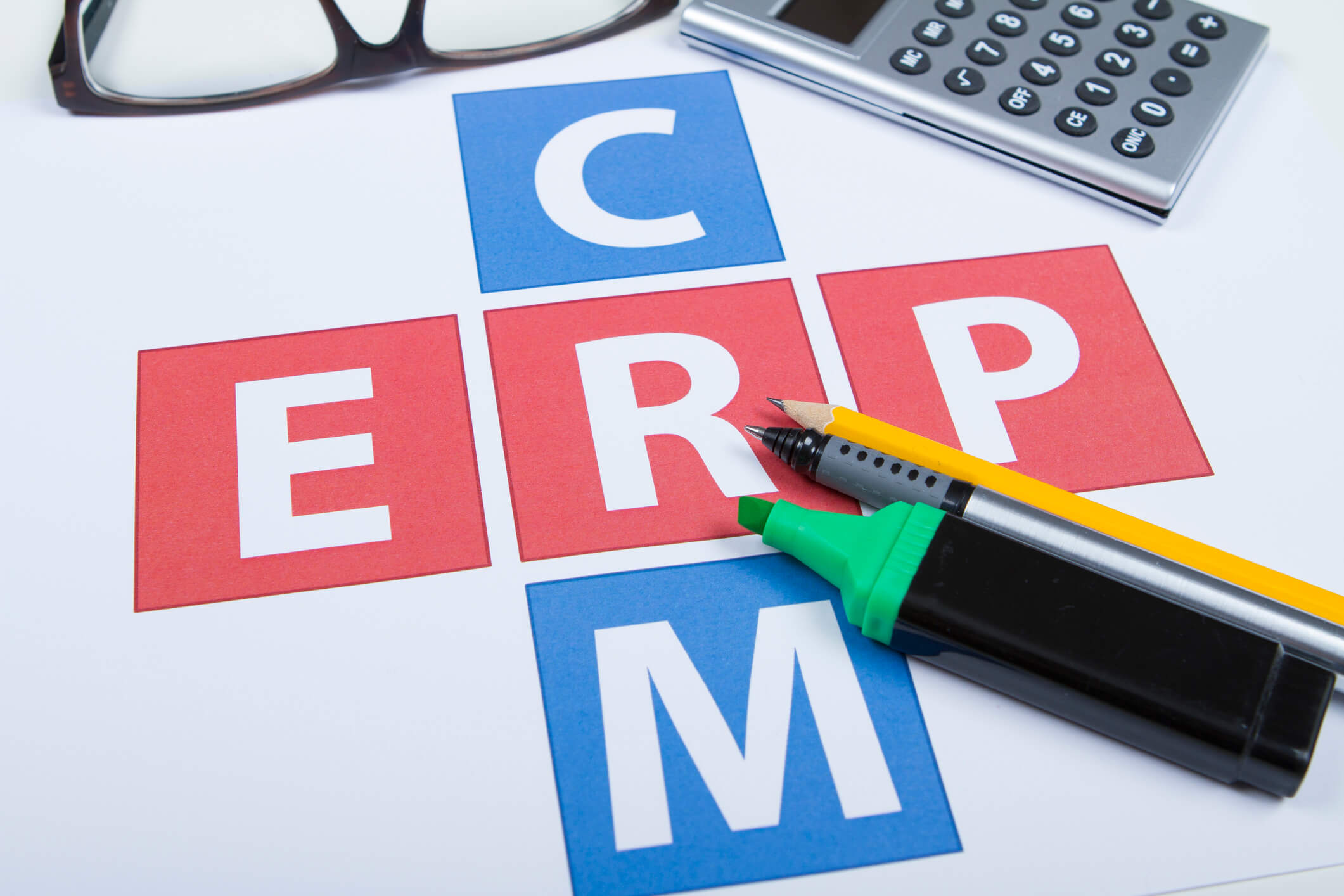
For most manufacturers, the ERP system is already at the centre of operations. Your ERP manages orders, tracks inventory, schedules production, and controls costs, and that doesn’t change with AI.
Because of that, ERP data becomes the starting point for most AI use cases.
As AI is applied to that data, it becomes more useful. Tools such as Genius Cortex can help identify patterns, highlight risks, and support more accurate forecasting.
However, ERP systems are designed to work with structured data, and that’s where they perform best. In practice, not all manufacturing information fits neatly into that structure. Key details often sit in emails, spreadsheets, PDFs, and day-to-day conversations between teams. That’s simply how work gets done.
This is especially true in engineering-led and project-based manufacturing environments, where information often moves between systems before it ever reaches the ERP.
As a result, even with a well-managed ERP system, there are still gaps.
Where AI is making a real difference in manufacturing operations
This is where a different layer of AI becomes useful.
Instead of working only within the ERP, AI can now operate across systems. It can read emails, It can read emails, interpret documents, pull data from multiple tools, and connect workflows that were previously manual.
Take a simple example.
A customer sends an email asking for a quote. The request may include product details, delivery expectations, and specific requirements. Someone has to read it, interpret it, enter the relevant information into the ERP, and move the process forward.
It’s not difficult work, but it is repetitive. And it takes time.
This is exactly the type of task AI is well suited to. It can read the request, extract the key details, and trigger the next steps automatically. That might mean creating a quote, updating a record, or notifying the right person.
The ERP still remains the system of record. But AI helps ensure the right information gets there and that the process keeps moving.
What AI means for manufacturing roles and teams
There’s still some hesitation around AI, and most of it comes back to the same concern: what happens to the people doing the work?
In practice, AI isn’t replacing roles in manufacturing. It’s changing how time is spent.
The tasks AI takes on tend to be repetitive and process-driven. Data entry, routine requests, and moving information between systems. Necessary work, but not where most value is created.
What remains are the parts of the role that rely on experience and judgement. Managing exceptions, working with customers, making decisions, and solving problems.
That shift is already happening in many organisations. Less time is spent navigating systems, and more time is spent on work that actually moves things forward.
How to start using AI in your manufacturing business
One of the most common mistakes is trying to do too much at once.
Companies look at the whole business and ask how AI can transform everything. That usually leads to long timelines, higher costs, and unclear outcomes.
A more effective approach is to start with one specific problem.
Look for a task that is repetitive, time-consuming, and well understood. Something your team handles regularly that follows a clear pattern and doesn’t require much judgement.
Quoting is a common example. So is processing orders, updating delivery dates, or handling routine enquiries.
These processes are consistent enough to automate, and the impact is easy to measure.
Another useful moment to pause and assess is when hiring. If you’re planning to bring someone in to manage a specific type of work, it’s worth asking whether part of that workload could be handled differently.
That doesn’t mean replacing the role, but it can reshape it and reduce the amount of manual work involved
What AI in manufacturing looks like in practice
When manufacturers take this approach, the results tend to be straightforward.
You won’t see a dramatic, overnight transformation, but you will see steady, incremental improvements. Tasks that used to take hours each week are reduced to minutes. Processes move faster, and bottlenecks ease. Teams gain time back that can be used to focus on customers, planning, and problem-solving.
Over time, these small gains compound. What starts as a single improvement can gradually reshape how work flows across the business.
That’s where AI starts to feel genuinely useful. Not as a large initiative, but as a series of small, practical improvements.
AI and ERP working together in manufacturing
AI in manufacturing isn’t a single solution. It’s a combination of layers working together.
Your ERP continues to run core operations. AI within the ERP helps you understand what’s happening in that data. AI outside the ERP connects systems, structures information, and keeps processes moving.
Your team remains central, making decisions and handling situations that require context.
None of this requires starting from scratch. It builds on the systems and processes you already have.
The bottom line: Start small and build from there
You don’t need a full AI strategy to begin.
In most cases, the best starting point is smaller. One process. One task. One problem your team deals with regularly.
Something that takes time, follows a pattern, and doesn’t require much judgement.
That’s where AI tends to deliver the most immediate value.
From there, it becomes easier to see where else it could apply. Not because of a long-term roadmap, but because you start to recognise the opportunities within your own operations.
That’s how adoption usually grows. Not through a single large initiative, but through a series of small improvements that build over time.